Because clarity matters when decisions matter most.
How BTN Helps
Second Opinions Without the Stress
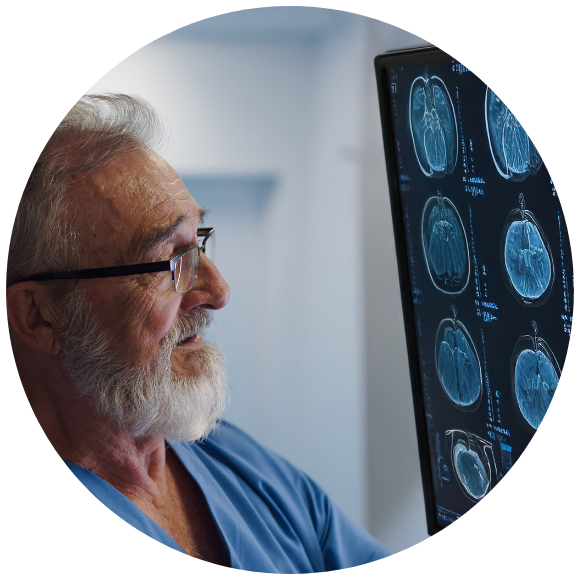
We help identify physicians with experience in brain tumor care across the U.S., coordinate medical records, and prepare families with questions to ask so they can make the most of each visit. A second opinion can bring forward options previously undiscussed, including clinical trials or expanded access. We remove common barriers so patients can focus on understanding their choices and making informed decisions.

What the Data Shows
When Evidence Supports a Second Opinion
Research shows that second opinions can confirm, refine, or change treatment recommendations in complex conditions like brain tumors. Explore the data behind second opinions and learn how an experienced provider’s review can help patients move forward with greater clarity and confidence.


Why Biomarkers Matter
What Doctors Look At
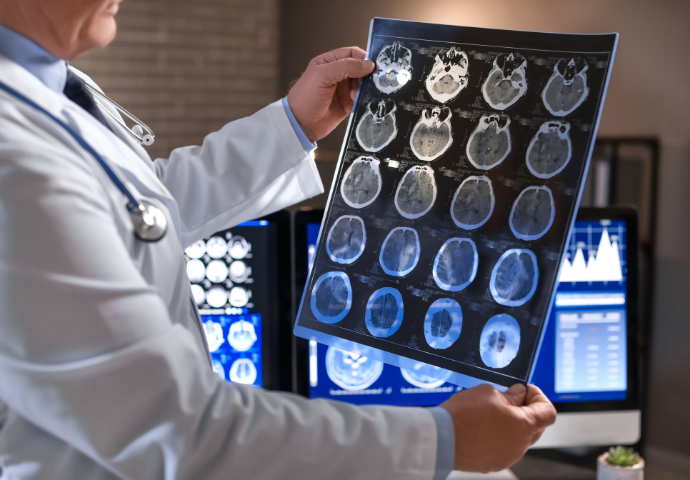
Biomarker testing looks at the genetic makeup of a brain tumor. This information can affect diagnosis and treatment choices, and can add important context during a second opinion consultation. We help families understand whether testing has been done on their tumor and how to talk about it with their care team.