Support that helps manage symptoms and ease the load

Primary brain tumors bring challenges that hit fast. Symptoms can shift without much warning. Thinking and memory can change. Fatigue, headaches, mood changes, seizures, and a long list of day-to-day stressors can pile up. Palliative care steps in to steady the ground under your feet. It supports both the person with the tumor and the people who love them.
What Is Palliative Care?
Palliative care is a specialized form of medical care that focuses on quality of life – whatever that looks like for you, relieving symptoms, anxiety, and stress caused by serious illnesses, such as brain tumors. Unlike hospice, palliative care is not focused on end of life. It is appropriate from the time of diagnosis, can be provided alongside treatments intended to cure or control the disease, and is delivered by a multidisciplinary team. It’s meant to be an extra level of support, an additional medical team that focuses on what matters most to the patient and family.
Debunking Common Misconceptions about Palliative Care
People often avoid palliative care because they assume it is the same as hospice. It is not. Hospice is for the final stage of life. Palliative care is for anyone who wants relief from symptoms, stress, or uncertainty. It helps you live as well as possible right now.
Many families also hesitate to ask for palliative care due to these common myths:
Myth #1: “Palliative care means we are giving up or losing hope.”
In reality, palliative care can be provided alongside active, life-extending treatments. The focus is on comfort, support, and what matters most to you at every phase.
Myth #2: “Palliative care is the same thing as hospice.”
Hospice is usually for people expected to live about six months or less who are no longer pursuing curative treatment. Palliative care is available at any age and at any stage, from diagnosis onward.
Myth #3: “Palliative care is only about pain medicine.”
Palliative care teams help with physical symptoms like seizures, cognitive concerns like fatigue and thinking changes, mental wellbeing for the patient and for those who love them, and practical concerns, so patients and families can adapt to changes step by step.
Another misconception is that you have to wait until things get worse to ask for palliative care. In reality, early palliative care often keeps problems from snowballing. It can help you speak up about what matters most, prepare for appointments, and understand what changes to watch for at home.
Why Palliative Care Is Essential in Brain Tumor Care
Primary brain tumors, especially high-grade types like glioblastoma, cause multifaceted symptoms and unique challenges:
- Nearly half of patients experience problems with memory, communication, or medical decision-making at diagnosis, which makes ongoing and comprehensive support critical.
- The disease and its treatments can lead to side effects (seizures, changes in personality or mobility, headaches, and fatigue) which greatly impact daily living.
- Early integration of palliative care has been shown to reduce emotional distress, improve symptom control, decrease hospitalizations, and allow more meaningful conversations about care goals and advance care planning.
- Caregivers benefit as well, gaining needed education, respite, and counseling support to help them maintain their own wellbeing through a demanding journey.
The BTN Perspective
At Brain Tumor Network, we encourage patients and families to consider palliative care as a partner in your brain tumor care team. It’s not a last resort, but rather a way to ensure that your voice, values, and goals are always honored. Palliative care is about living as well and as fully as possible, on your own terms, no matter where you are in your diagnosis.
Embracing palliative care is an act of strength and self-advocacy, not surrender. Reach out to BTN’s expert navigators to discuss your needs, connect with resources, and learn how palliative care can support you and your loved ones every step of the way.
Related Posts
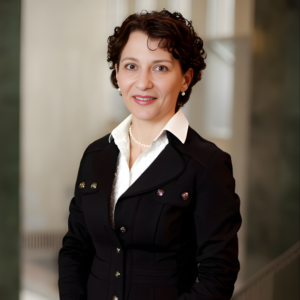
Dr. Roxana Dronca Joins BTN Board
Meet Dr. Roxana Dronca, the newest member of Brain Tumor Network’s Board of Directors and a nationally recognized oncology leader.