You Are Caring for Them. We Are Here for You

Behind every patient is a caregiver holding the details, the emotions, and the late nights. We are here to stand with you, not just the person you care for.

A woman and man sit closely on a sofa in a cozy room. The woman gently holds the man's hand and places her arm around his shoulder, conveying warmth and support.

Caregiver Navigation

Not just information. A real connection.

Caregivers may grieve what has already changed while bracing for what lies ahead. This anticipatory grief is a normal response to serious illness. A dedicated navigator checks in over time, offers space to talk through emotions, and helps caregivers manage medical and daily challenges while staying connected to support.

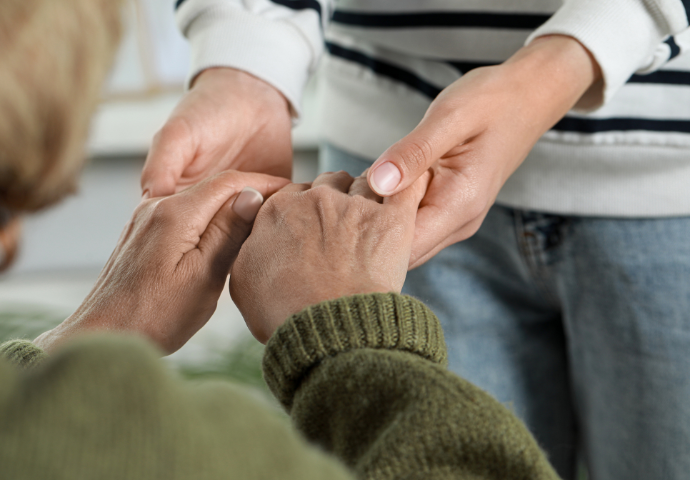
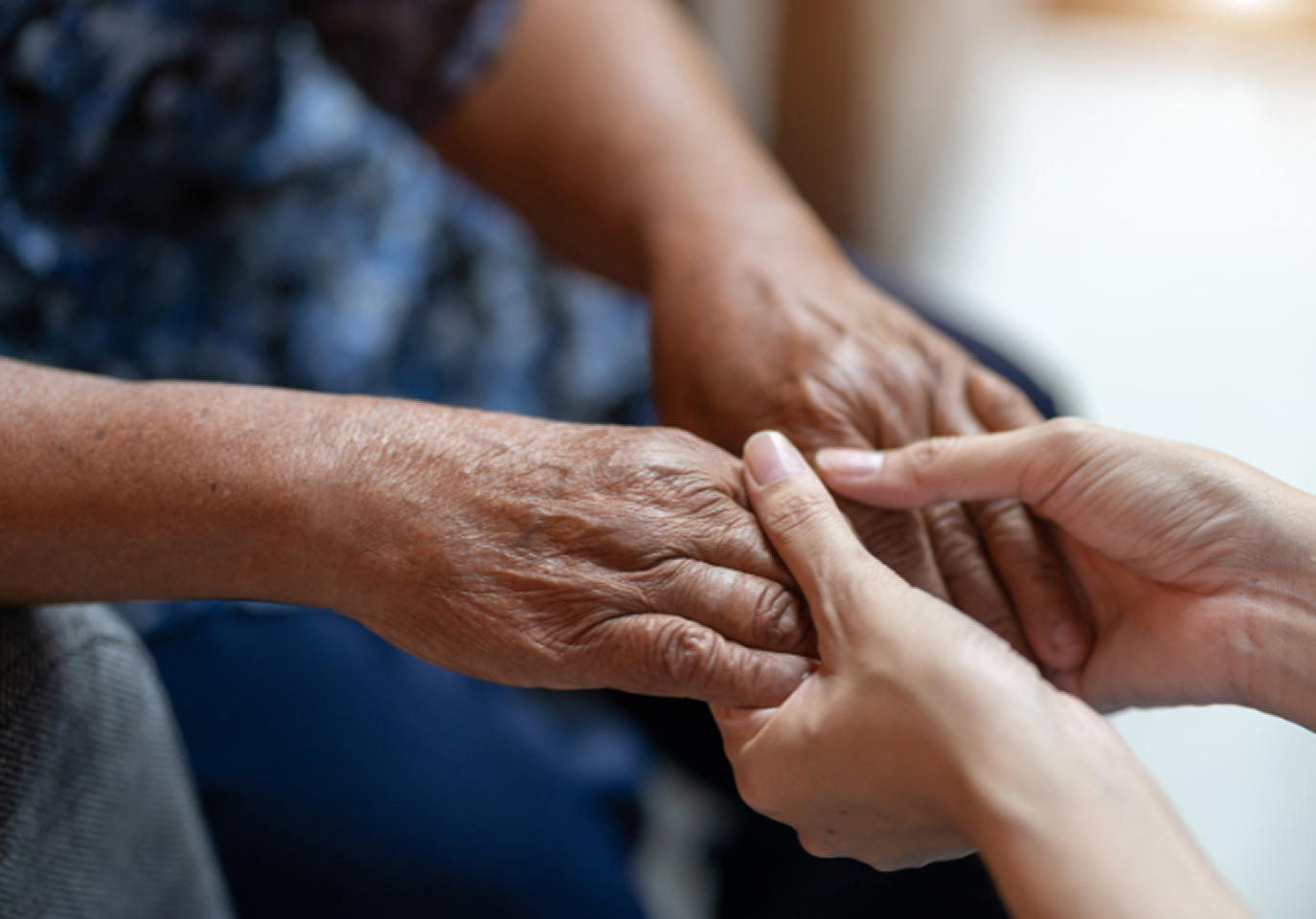
Two hands gently hold and comfort an elderly person's hands. The background is softly blurred, emphasizing the warmth and care in the interaction.

Caregiver Support

What Caregivers Tell Us They Need Most

  • Keep your own wellbeing in view

    Sometimes the most helpful care is being heard by people who understand. We help you find support groups, peer mentors, and small routines that give you room to breathe and recover.


  • Plan for medical expenses

    We’ll help you look at likely costs, available programs, and ways to manage financial strain.

  • Make sense of your insurance

    We’ll help you understand general coverage terms so you know more about your benefits and provide resources to help navigate insurance barriers.

  • Look ahead with a steadier plan

    We can walk you through advance care planning, long-term needs, and next steps so decisions feel less overwhelming.

  • Share information without added stress

    Clear communication lowers tension. We offer language and strategies that make family updates easier.

  • Make daily life more workable

    Small changes in the home can ease stress. We help you figure out what will make the biggest difference.

You shouldn’t have to figure everything out alone. Here are ways we can help you stay steady and informed.

What We Do

What Caregivers Can Expect

1
A caregiver in blue scrubs sits beside an elderly woman on a cozy couch, sharing a warm conversation. The room has plants, books, and soft lighting, creating a comforting, homely atmosphere.
Start the Conversation

Your First Connection

When you reach out to Brain Tumor Network, you are connected with a dedicated navigator who takes the time to truly understand you, your role as a caregiver, your unique circumstances, and the challenges you’re facing. This first conversation is your space to share your story openly and honestly, including your hopes, fears, and questions, without any judgment.

Connect with a Navigator

What Caregivers Can Expect

2
Clarify What you Need

Setting Priorities Together

Together, you and your navigator will identify and prioritize both your immediate and longer-term needs. Your navigator will explain how they can support you, what you can expect from them, and how you’ll work together throughout the care journey.

What Caregivers Can Expect

3
Elderly couple sitting closely on a couch, smiling warmly at each other while holding a tablet.
Resource Review

Tailored Support Options

Your navigator will complete a thorough search for both community-based and national resources that best align with your needs. You’ll receive a comprehensive, easy-to-review list of options tailored specifically for your situation.

What Caregivers Can Expect

4
A female doctor converses empathetically with a cancer patient wearing a pink headscarf. They are seated together in a bright, calm medical office.
Talk Through Next Steps

Follow-Up at Your Pace

When you’re ready, you can schedule a follow-up call at your convenience to talk through those resources in more detail, ask questions, and begin putting next steps into place.

What Caregivers Can Expect

5
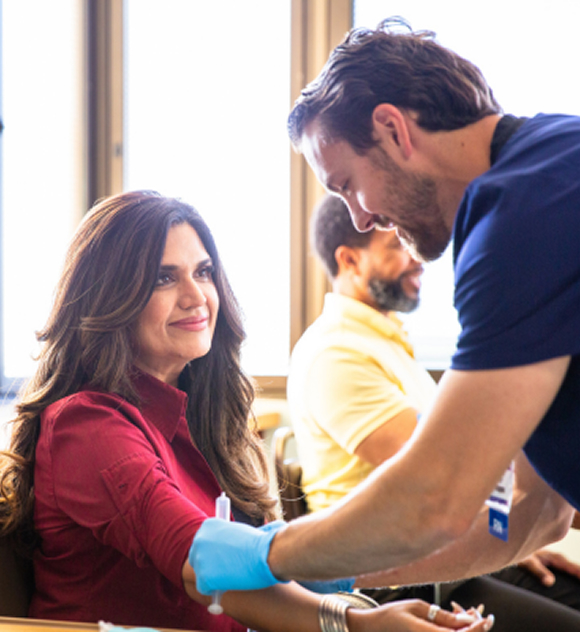
A woman in a red shirt smiles as a healthcare worker in blue scrubs and gloves draws her blood. A man in yellow observes in the background, creating a warm and caring atmosphere.
Continued Support

Ongoing Check-Ins

Your navigator remains available for ongoing check-ins at meaningful points along the way, as circumstances change and new challenges arise. With Brain Tumor Network, you are not navigating this alone.

Caregivers are part of the conversation

BTN walks beside you as you care for your loved one. Our nurse and social work navigators listen to what you are facing, explain information in plain language, and point you to resources that fit your situation. We can talk through appointments, treatment information, daily challenges, and how to care for yourself while you care for a loved one.

Yes. Many caregivers tell us they feel like no one around them understands.

Your navigator can help you find:

  • Brain tumor specific caregiver support groups, online and local when available
  • One-on-one caregiver peer mentors
  • Programs that offer emotional and spiritual support

We will talk with you about what kind of connection feels safest and most helpful right now.

Brain tumors affect the whole support system, not just the person with the diagnosis.

Our co-navigation model means you have access to both a nurse navigator and a social work navigator. Together, they can help you:

  • Understand the diagnosis, treatment plan, and side effects
  • Name what you are carrying as a caregiver and how it is affecting you
  • Prepare for conversations about work, children, and daily routines

We are here for both of you. The patient and the people who love them.

Yes. This diagnosis often brings stress, conflict, and shifting roles. Your navigator can help you think through:

  • Changes in behavior, mood, or cognition and what they might mean
  • How to talk with children and other family members
  • Tension around decision making, boundaries, or caregiver burnout
  • When it may be helpful to involve local counseling, palliative care, or spiritual care

We cannot fix every conflict, but we can provide strategies, support, and resources to help.

Caregivers are part of the conversation

BTN does not provide direct financial assistance. We can, however, help you explore options such as:

  • Disability benefits and leave from work
  • Medication and treatment assistance programs, when available
  • Community and nonprofit support for travel, lodging, or basic needs
  • People or organizations in your area that can help you plan next steps

Your navigator will ask about your current situation and walk through what may be available.

It means your voice matters. When we talk through care plans, options, or changes at home, we want to hear from you too. Your questions, your worries, and your observations are important pieces of the story.

BTN makes space for caregivers to ask their own questions, share what they see day to day, and talk about how this experience is affecting them.

What BTN can do:

  • Explain medical information in plain language
  • Help you prepare for appointments and sort through options that have been offered
  • Connect you with local and national support and education
  • Help you think through next steps based on your goals and values

What BTN cannot do:

  • Provide medical advice or prescribe medications
  • Tell you what decision to make or replace your medical team
  • Provide emergency services or direct financial assistance
  • Provide long-term individual or family counseling

We are here to add a layer of guidance and support, not to take over your care or make decisions for you.

You can reach out whether you are brand new to this diagnosis or have been caregiving for years. Getting started is simple:

A navigator will learn more about your situation, explain how BTN works, and talk with you about what kind of support would help you most right now.

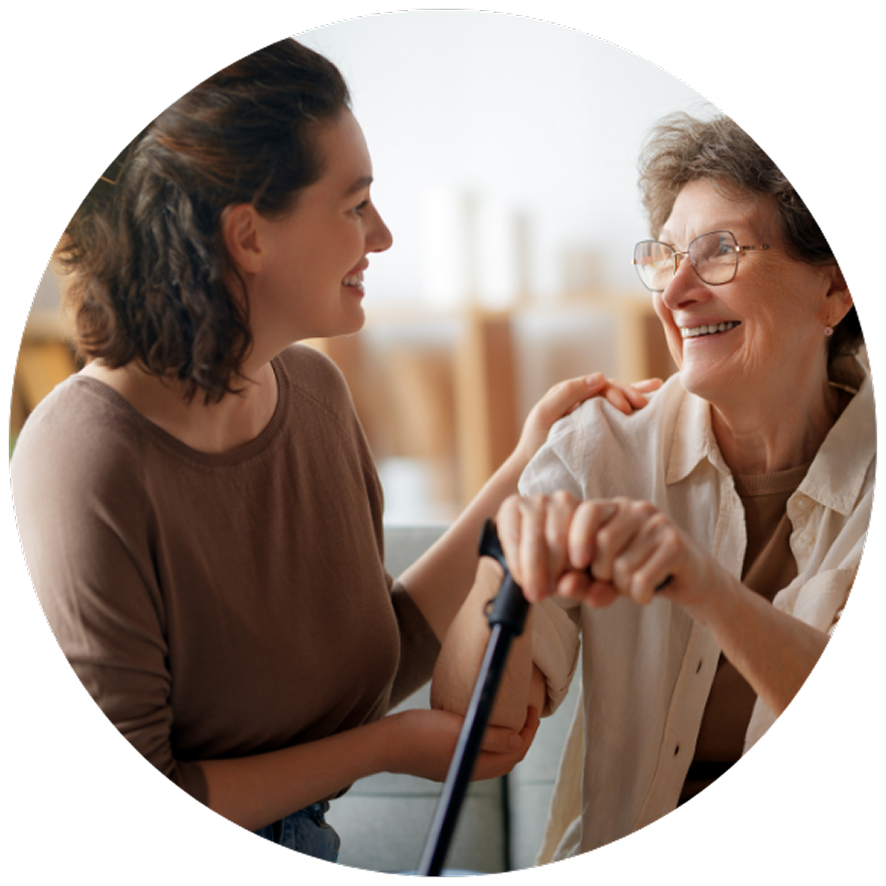
A young woman and older woman smile warmly at each other. The older woman holds a walking cane, conveying a sense of care and companionship.

Glioblastoma is a terrifying and gut-wrenching diagnosis. As a caregiver, Brain Tumor Network has provided outstanding emotional and educational support and guidance.

Kathy

Caregiver