Hearing you have a brain tumor can turn life upside down. While it may feel urgent, you often have more time than it seems to learn, ask questions, and choose your next steps.
A new diagnosis brings pressure, but not everything has to happen today.
Hearing you have a brain tumor can turn life upside down. While it may feel urgent, you often have more time than it seems to learn, ask questions, and choose your next steps.
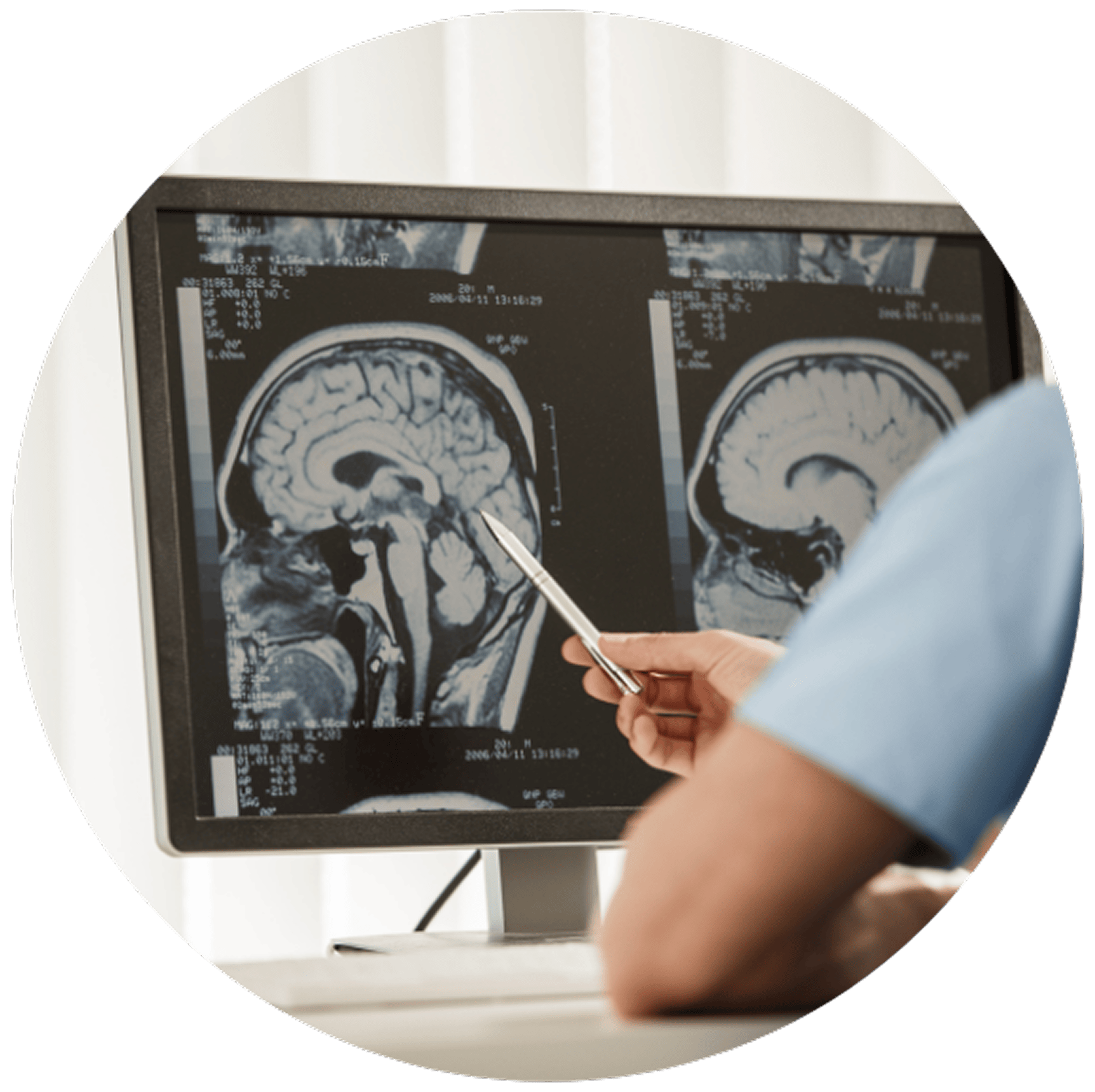
A new diagnosis brings pressure, but not everything has to happen today.
Many people feel they must act immediately, especially when surgery is mentioned. In most cases, the tumor has been present for some time, even if the diagnosis is new. Taking a moment to breathe helps you understand what is happening instead of reacting out of fear, giving you space to make choices that support your needs now and later.
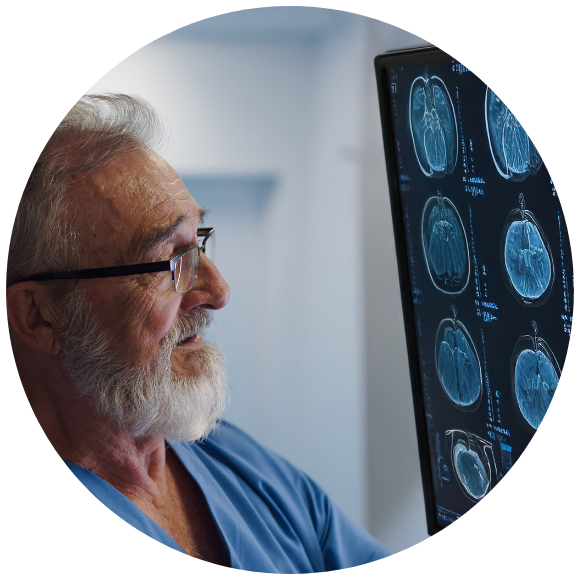
Experience matters, and you have every right to hear from a specialist.
Not all surgeons and oncologists treat brain tumors every day, and even if they do reasonable minds may differ. A second opinion can help confirm your diagnosis, review your imaging, and talk through possible treatment approaches for your tumor. This step helps you feel more informed and involved in the path you choose.

Some trials open before surgery, so timing matters more than most people realize.
Clinical trials are available at specific points in the treatment journey. Some begin before surgery, others before radiation or chemotherapy, and some only at recurrence. Early choices can affect whether you qualify later.
Learning about these timepoints now helps you avoid closing doors you may want open in the future and gives you a clearer picture of all your options.

Tumor testing can guide treatment choices and open new paths.
Molecular profiling examines features of a tumor that can affect treatment options. Ask your doctor what testing is planned, whether tissue will be stored, and how results may guide next steps.
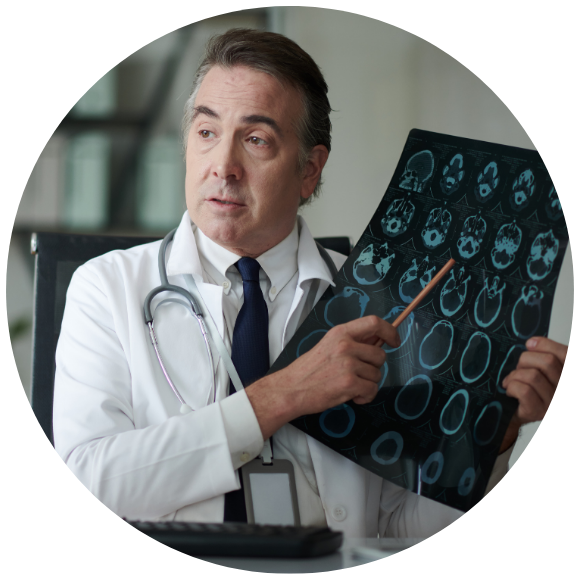
Knowing each physician’s role helps you feel more prepared and supported.
Brain tumor care involves a team of specialists with different responsibilities. This may include a neurosurgeon, neuro-oncologist, radiation oncologist, neuropathologist, and others who guide each stage of care. Understanding who does what helps you know where to bring questions and how each person supports your plan.
The Human Side of Care
A brain tumor diagnosis affects more than medical care. It brings fear, uncertainty, and concerns about daily life. Our social work navigators listen, help you process what you are feeling, and support practical needs like travel, work, and peer support. You do not have to carry this alone.


Patient