A second opinion can confirm your diagnosis, expand your options, and help you make informed decisions in complex brain tumor care.

Hearing the words “you have a brain tumor” can feel overwhelming. Many people assume they must move forward quickly with the first treatment plan they are given. But in brain tumor care, getting a second opinion can make a real difference.
A second opinion means asking another expert to review your diagnosis, scans, and treatment options. It does not mean something is wrong. It means you are taking the time to fully understand your care and your choices.
Many Patients Are Not Offered a Second Opinion
A recent national survey by Our Brain Bank looked at the experiences of people with glioblastoma (GBM) and their caregivers. The results showed large gaps in care.
Many patients reported that they:
- Were not offered a second opinion
- Did not receive clear information about treatment options
- Were not offered molecular testing or clinical trials
- Did not feel involved in decisions about their care
These findings matter because brain tumor care is complex. Treatments and research continuously change. What is recommended in one setting may not reflect all the available options.
Second Opinions Can Change Care Plans
Research across cancer care shows that second opinions often lead to meaningful changes.
One large review found that when cancer patients sought a second opinion:
- Diagnosis or treatment plans changed in up to half of cases
- Some patients were offered less aggressive treatment, not more
- Many patients felt more confident and informed after the visit
- Another study found that 23-57% of patients had changes that could improve expected outcomes or reduce side effects after a second opinion.
These changes do not always mean new treatment. Sometimes they mean confirming that the current plan is right. Both outcomes are valuable.
What the GBM Bill of Rights Says
The Glioblastoma Bill of Rights, created by patients and families, states that every person has the right to:
- A clear explanation of their diagnosis
- Access to specialists with brain tumor expertise
- Molecular and genetic testing
- Information about clinical trials
- Support for emotional and mental health needs
- Access to a second opinion
This bill reflects what patients say they need most: clear information, choice, and a voice in their care.
Why Brain Tumor Care Is Different
Brain tumors are not all the same. Two tumors may look alike on scans but behave very differently. Molecular testing, tumor type, prior treatment, and personal goals all matter.
Because of this, care decisions are rarely simple. A second opinion can:
- Confirm the tumor type and grade
- Review whether testing was complete
- Identify treatment options not discussed yet
- Help patients understand risks and benefits more clearly
Common Reasons People Do Not Seek a Second Opinion
Many patients want a second opinion but feel unsure about asking. Some worry they may upset their doctor. Others face insurance limits or travel challenges. Some are simply too overwhelmed to know where to start.
Research shows that patients with more support are more likely to seek second opinions. This is where BTN navigation can help.
Why Brain Tumor Network Encourages Second Opinions
At Brain Tumor Network, we believe second opinions are an important part of informed care.
Our navigators encourage second opinions because they:
- Help patients understand all available options
- Support shared decision-making
- Reduce regret by making sure choices are well informed
- Connect patients to specialists, centers of excellence, and clinical trials when appropriate
Navigation is not about replacing your care team. It is about helping you ask the right questions, gather records, and understand what different experts recommend. Our goal is to support you, not rush you.
If you are facing a brain tumor diagnosis or recurrence, a second opinion can offer clarity and confidence. You deserve care that reflects the full picture, not just the first view. Connect with a BTN Navigator to receive personalized, one-on-one support and assistance for your second opinion.
Related Posts
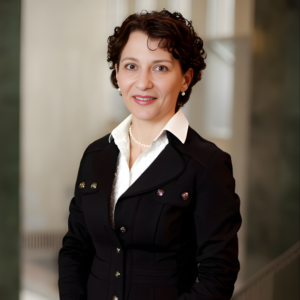
Dr. Roxana Dronca Joins BTN Board
Meet Dr. Roxana Dronca, the newest member of Brain Tumor Network’s Board of Directors and a nationally recognized oncology leader.