Just diagnosed with a brain tumor? Here are the first 5 critical actions to take — for safety, clarity, and the best possible care.
1. Pause, Breathe, and Gather Immediate Information — Safety First
A brain tumor diagnosis can feel overwhelming, and it is natural to want answers right away. Take a moment to breathe before rushing into decisions. Many providers may emphasize immediate intervention, but remember that you have not just developed a tumor; you have learned it is there. Use this time to stabilize your symptoms and understand your situation clearly.
Ask your doctor:
- What symptoms should I monitor or report right away?
- Are medications such as steroids or anti-seizure drugs needed to keep me safe at home?
- What immediate next steps are recommended, and what can wait for a second opinion?
Helpful insight: Ground yourself first. Safety and clarity create the foundation for every decision that follows.
Connect with a BTN Navigator for free, one-on-one support
2. Secure an Experienced Care Team and Consider a Second Opinion
Brain tumors are complex, and expertise matters. Not all neurosurgeons or oncologists regularly treat them, so finding specialists who understand your specific diagnosis is key. Look for a team that includes a neurosurgeon, neuro-oncologist, and radiation oncologist who have experience in brain tumor care.
- Ask if your case will be reviewed by a tumor board where multiple experts collaborate to create a unified plan.
- Do not hesitate to seek a second opinion. It is a standard part of brain tumor care and helps ensure you understand all available options.
- Discuss palliative care early. It focuses on quality of life, symptom relief, and family support throughout treatment, not just at the end of life. [Read: Why Palliative Care Matters]
Helpful insight: Expertise and collaboration save time, reduce confusion, and improve outcomes. You deserve a team that specializes in you.
3. Understand Your Treatment Timeline, Standard of Care, and Clinical Trial Options
Take time to understand your treatment roadmap before starting therapy. Knowing the sequence and timing of surgery, radiation, and chemotherapy, and where clinical trials might fit in, helps you make decisions that preserve your future options.
Ask your team:
- What is the current standard of care for my tumor type and grade?
- What choices do I need to make now that could impact later options?
- When in my care journey would clinical trials be available or appropriate?
Helpful insight: Some clinical trials must be joined at specific stages, such as before surgery or before starting chemotherapy. Early conversations open doors that might otherwise close.
4. Ask About Molecular and Genomic Testing (Tumor Profiling)
Modern brain tumor care goes beyond what can be seen under a microscope. Molecular and genomic testing of your tumor tissue helps identify biomarkers or mutations that can guide treatment and open new possibilities.
Ask your doctor:
- Has molecular or genomic testing been ordered on my tumor sample?
- Which biomarkers are being tested (for example, IDH, MGMT, 1p/19q, TERT, ATRX)?
- How might these results influence my treatment plan or eligibility for clinical trials?
Helpful insight: Knowledge is power. Understanding your tumor’s biology transforms care from one-size-fits-all to truly personalized medicine.
5. Build Your Support and Navigation Network Early
Navigating a brain tumor diagnosis is not something you have to do alone. Build your support system now, before the road gets complicated.
- Work with a navigator who can explain treatment steps and connect you to trusted resources.
- Involve caregivers early. They play an essential role in communication, emotional support, and daily logistics.
- Ask about psychosocial and financial support, including counseling, support groups, and insurance or workplace guidance.
- Explore rehabilitation and cognitive therapies if you experience changes in memory, balance, or communication.
Helpful insight: Strong support systems reduce stress, prevent burnout, and help you stay focused on what matters most: your health and quality of life.
Looking for more? Visit
National Comprehensive Cancer Network’s Patient Resources
Related Posts
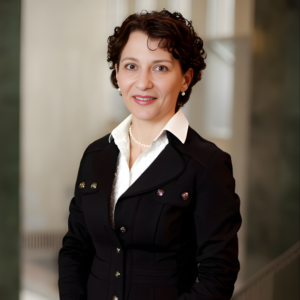
Dr. Roxana Dronca Joins BTN Board
Meet Dr. Roxana Dronca, the newest member of Brain Tumor Network’s Board of Directors and a nationally recognized oncology leader.