A second opinion can confirm your diagnosis, expand your options, and help you make informed decisions in complex brain tumor care.

The First 5 Actions After a Brain Tumor Recurrence
When a brain tumor returns, clear information, updated expertise, and strong support can help you pause, reassess, and move forward with confidence.
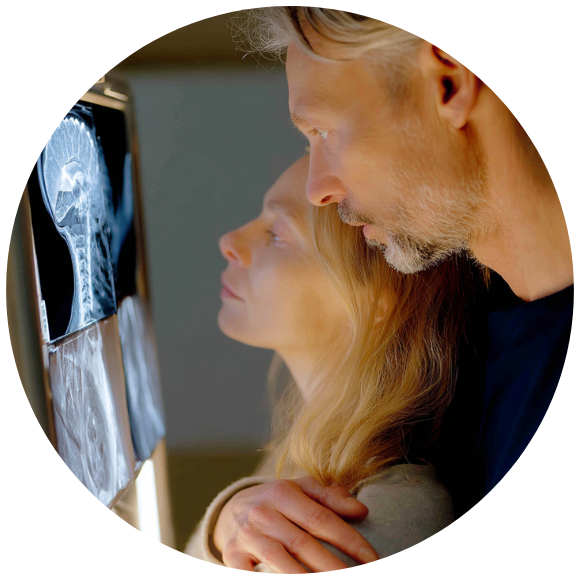
The First 5 Actions After a Brain Tumor Diagnosis
Just diagnosed with a brain tumor? Here are the first 5 critical actions to take — for safety, clarity, and the best possible care.

Understanding Brain Tumor Biomarkers
Tiny clues inside brain tumors help practitioners predict how a tumor may behave and choose treatments that are more likely to work.

Adolescent and Young Adult Brain Tumors: What the Numbers Reveal
Explore key stats and urgent challenges facing young people diagnosed with brain tumors—and why this age group needs more focused support.

Common Signs and Symptoms of a Brain Tumor
Noticing changes in vision, memory, speech, or balance? Learn the most common signs that may point to a brain tumor—and when it’s time to talk to a doctor.